 Prazamana
Safety Fence
Custom Guarding
Physical guards for a machine's moving parts — nip points, pinch points, and exposed power transmission components — engineered to stop contact before it happens.
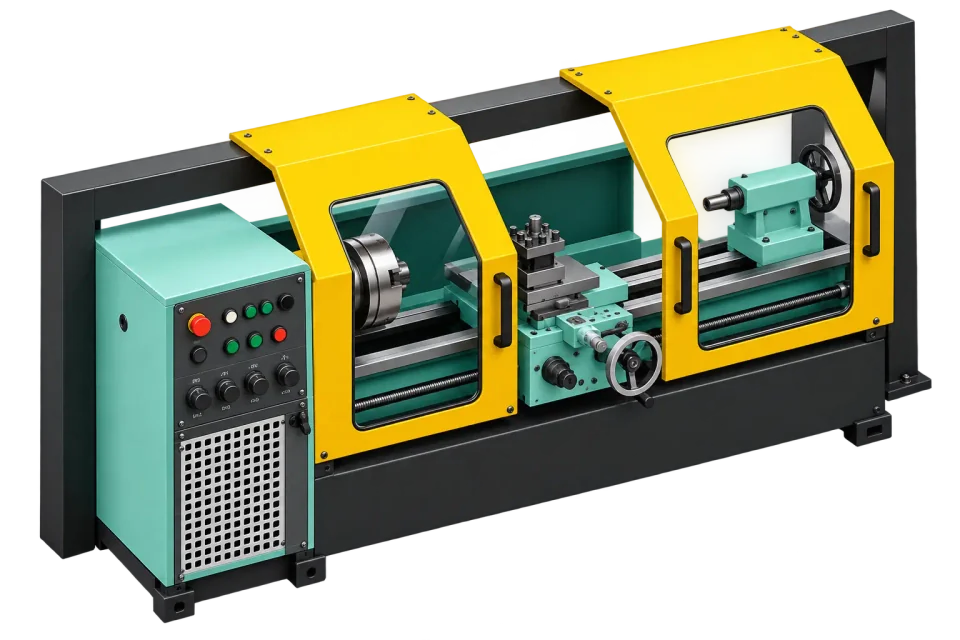
What Is Custom Guarding?
- Physical guarding for a machine's own moving parts
- A first line of defense against injuries caused by machine operation, protecting personnel in the immediate work area
- Addresses specific hazard points — pinch points, shear points, flying debris, and other localized hazards
Why Custom Guarding Matters?
- Moving components can create specific pinch, nip, shear, and contact points that require protection
- A machine may have broader guarding in place while individual hazard points remain exposed or difficult to access safely
- Custom Guarding places a physical barrier directly around the hazard, helping keep personnel away from dangerous moving components and flying debris
What It IsWhy It Matters
What Is Custom Guarding?
- Physical guarding for a machine's own moving parts
- A first line of defense against injuries caused by machine operation, protecting personnel in the immediate work area
- Addresses specific hazard points — pinch points, shear points, flying debris, and other localized hazards
Why Custom Guarding Matters?
- Moving components can create specific pinch, nip, shear, and contact points that require protection
- A machine may have broader guarding in place while individual hazard points remain exposed or difficult to access safely
- Custom Guarding places a physical barrier directly around the hazard, helping keep personnel away from dangerous moving components and flying debris
Hazard Points It Addresses
Each machine has its own mechanical hazards. Custom Guarding addresses the points where contact is most likely to occur.
Nip Points
FlywheelsPulleysBelts
Related Solutions
Need to Guard a Specific Hazard Point?
Tell us about the machine and we'll recommend the right guarding approach.